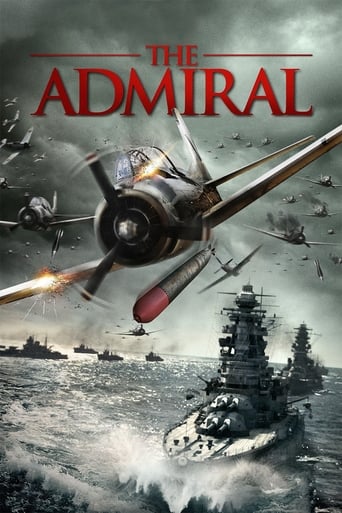
Admiral Isoroku Yamamoto (1884-1943) was the Japanese Naval commander who was given the order to attack Pearl Harbour, an order he was duty bound to obey which went against his own personal beliefs. While this infamous attack is a low point in Japanese and US history it wouldn’t have happened if the Japanese government had listened to Yamamoto in 1939 and searched for a more peaceful way to end their war campaign, proving his many ominous presages of the outcomes of the attack to come true.
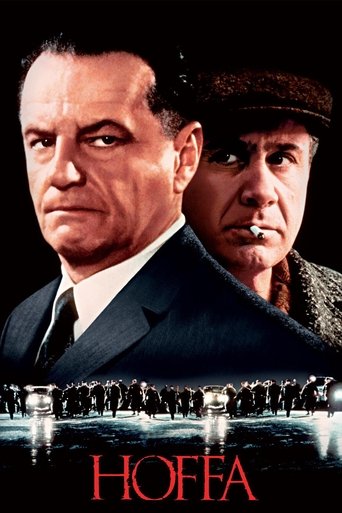
A portrait of union leader James R. Hoffa, as seen through the eyes of his friend, Bobby Ciaro. The film follows Hoffa through his countless battles with the RTA and President Roosevelt.
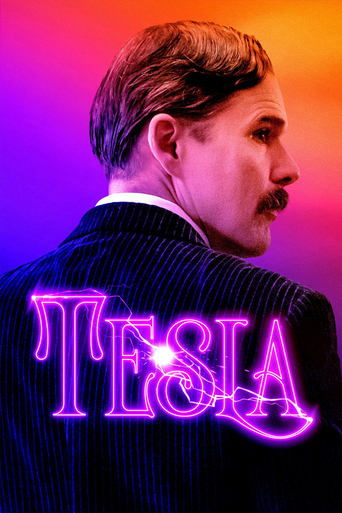
The story of the Promethean struggles of Nikola Tesla, as he attempts to transcend entrenched technology—including his own previous work—by pioneering a system of wireless energy that would change the world.
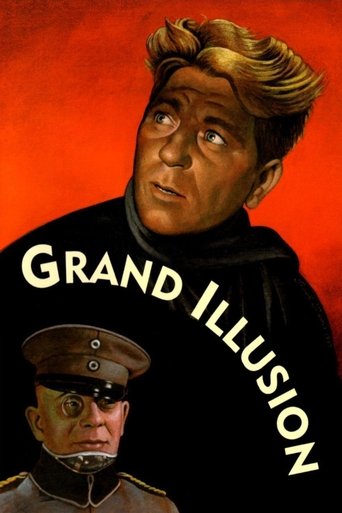
A group of French soldiers, including the patrician Captain de Boeldieu and the working-class Lieutenant Maréchal, grapple with their own class differences after being captured and held in a World War I German prison camp. When the men are transferred to a high-security fortress, they must concoct a plan to escape beneath the watchful eye of aristocratic German officer von Rauffenstein, who has formed an unexpected bond with de Boeldieu.
The true story of the "Flying Sikh" world champion runner and Olympian Milkha Singh who overcame the massacre of his family, civil war during the India-Pakistan partition, and homelessness to become one of India's most iconic athletes.
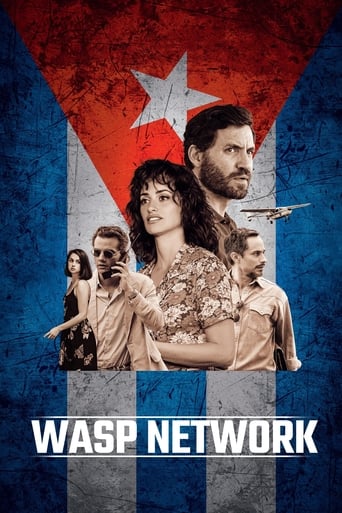
Havana, Cuba, 1990. René González, an airplane pilot, unexpectedly flees the country, leaving behind his wife Olga and his daughter Irma, and begins a new life in Miami, where he becomes a member of an anti-Castro organization.
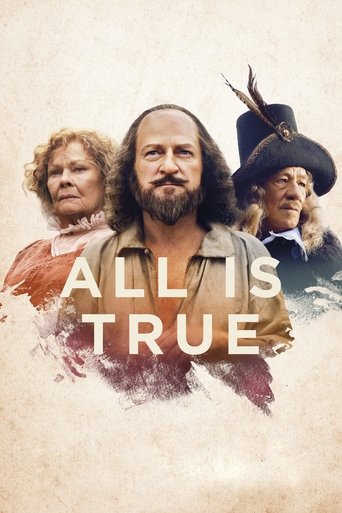
London, June 29th, 1613. The Globe Theater, ran by the famous playwright William Shakespeare, accidentally burns to ashes. Seriously affected, he stops writing and returns to his hometown, where his wife Anne and daughters Judith and Susanna get surprised to hear he intends to stay there definitively, after two decades working in the capital, neglecting his sincere affections for them.
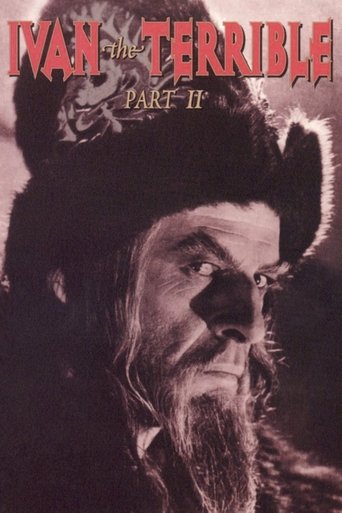
This is the second part of a projected three-part epic biopic of Russian Czar Ivan Grozny, undertaken by Soviet film-maker Sergei Eisenstein at the behest of Josef Stalin. Production of the epic was stopped before the third part could be filmed, due to producer dissatisfaction with Eisenstein's introducing forbidden experimental filming techniques into the material, more evident in this part than the first part. As it was, this second part was banned from showings until after the deaths of both Eisenstein and Stalin, and a change of attitude by the subsequent heads of the Soviet government. In this part, as Ivan the Terrible attempts to consolidate his power by establishing a personal army, his political rivals, the Russian boyars, plot to assassinate him.
The film concerns the life of King Naresuan, who liberated the Siamese from the control of Burma. Born in 1555, he was taken to Burma as a child hostage; there he became acquainted with sword fighting and became a threat to the Burmese empire.
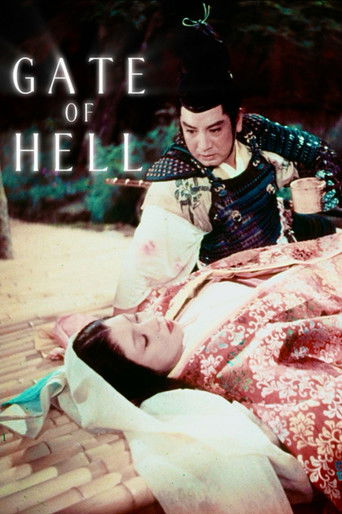
Japan, 1159. Moritō, a brave samurai, performs a heroic act by rescuing the lovely Kesa during a violent uprising. Moritō falls in love with her, but becomes distraught when he finds out that she is married.
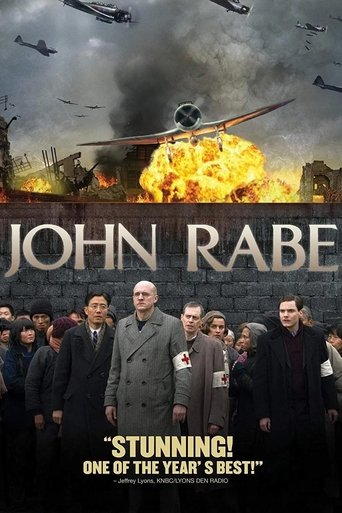
A true-story account of a German businessman who saved more than 200,000 Chinese during the Nanjing massacre in 1937-38.
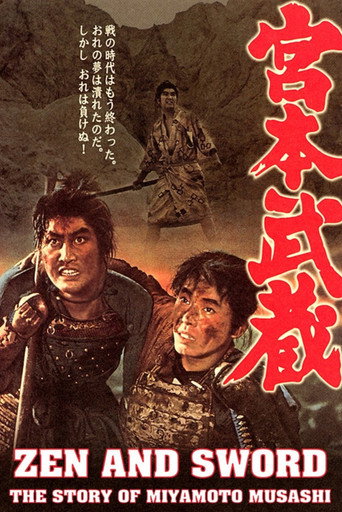
In this first episode, we are introduced to Takezo, what Musashi used to be before he became the man of legend. His beginning are not exactly auspicious. He sides with the Toyotomi at Sekigahara, and as a result finds himself on the losing side of the historic battle. He and his friend Matahachi manage to escape the slaughter although the latter is wounded in his leg. They stumble across the young Akemi who makes her living with her mother Oko by robbing corpses of their armor and anything else they can sell. Oko takes it into her head to seduce Matahachi, which she does first by skillfully sucking the gangrene from his blood, and then just by sucking.
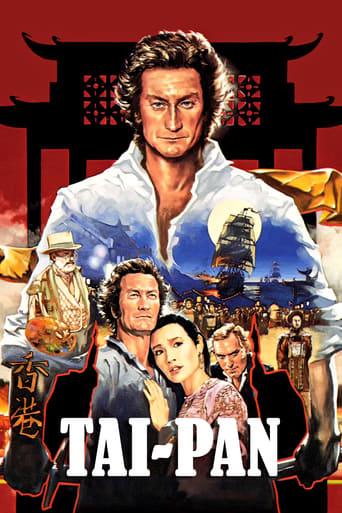
The film begins following the British victory of the first Opium War and the seizure of Hong Kong. Although the island is largely uninhabited and the terrain unfriendly, it has a large port that both the British government and various trading companies believe will be useful for the import of merchandise to be traded on mainland China, a highly lucrative market.
After the uprising at Wushe, Mona Rudao faces a guerrilla war against the militarily superior Japanese and Seediq clans. He and his followers must fight for their dignity and honor so that they can truly be "Seediq Bale" or "real men." Warriors of the Rainbow: Seediq Bale - Part 2: The Rainbow Bridge is Part two of the two-part, four-hour Taiwanese edition of the film Warriors of the Rainbow.
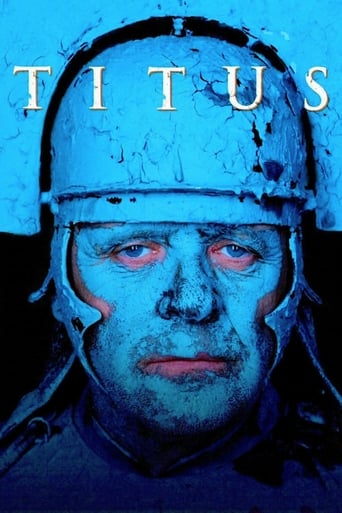
Titus Andronicus returns from the wars and sees his sons and daughters taken from him, one by one. Shakespeare's goriest and earliest tragedy.
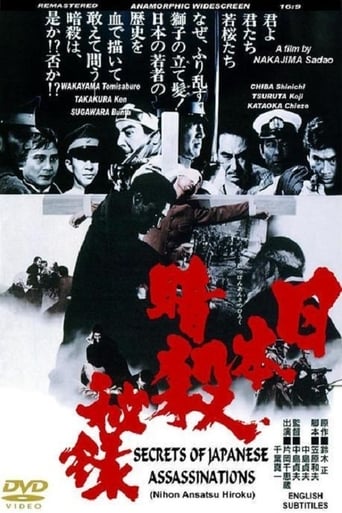
This anthology film consists of nine incidents in the late 19th and early 20th centuries when assassins changed the course of Japanese history.
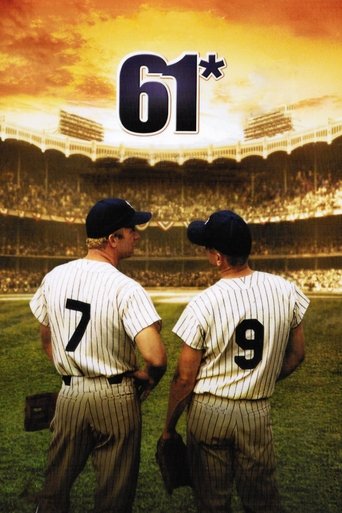
In 1961, Roger Maris and Mickey Mantle played for the New York Yankees. One, Mantle, was universally loved, while the other, Maris, was universally hated. Both men started off with a bang, and both were nearing Babe Ruth's 60 home run record. Which man would reach it?
The definitive account of Japan’s struggle as it faced a nuclear catastrophe while still reeling from the devastation of an earthquake and tsunami.
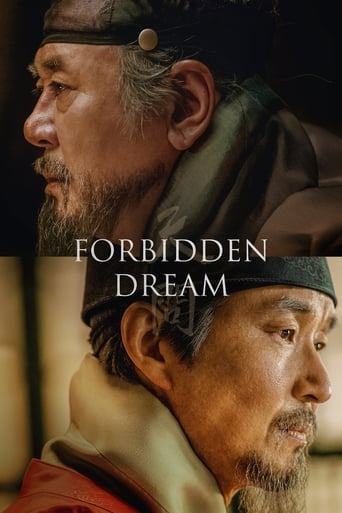
A true historical drama about King Sejong, the greatest ruler in Joseon history who sought to enhance national prosperity and military power through astronomy, and Jang Yeong-sil, the most remarkable scientist.
Based on Mariane Pearl's account of the terrifying and unforgettable story of her husband, Wall Street Journal reporter Danny Pearl's life and death.
Activate your FREE Account!
You must create an account to continue watching