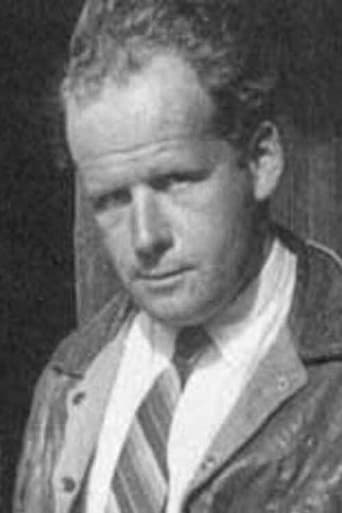
The film investigates the adventures of mountain climber and photographer Adam J. Winkler, who fought in Afghanistan with the Mujahideen against the Soviets in the 1980s. The director employs a highly original artistic technique involving animated collage of period materials.
Depicting a year in the life of a small town caught in the center of the high-profile Penn State scandal, this powerful film reveals how it affected the community: showcasing the strength and resolve of those who live in and cherish what is known as "Happy Valley."
Andrés Bonifacio, the freedom fighter known as the father of the Philippine revolution, was executed by rival revolutionaries in 1897. His wife, Gregoria de Jesus, searched for his body in the mountains for 30 days. It was never found.
Tells the story behind an assassination attempt perpetrated in 1897, by a dipsomaniac man, against the President of the Mexican Republic, General Porfirio Diaz.
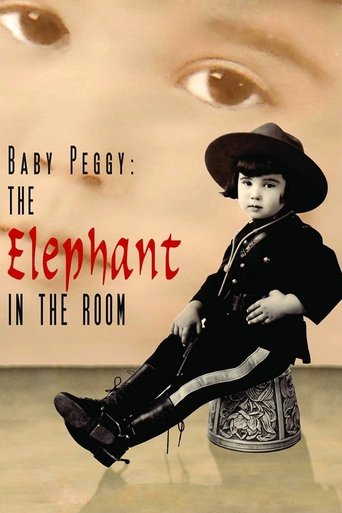
Documentary about an extraordinary lady, Diana Serra Cary (born Peggy-Jean Montgomery). In the early 1920s she was one of Hollywood's first major child stars, Baby Peggy.
When, in 2014, the charismatic German-Bulgarian Ruja Ignatova introduced OneCoin, a new cryptocurrency, she claimed that it was destined to become the world's most important digital currency and would change the course of history.
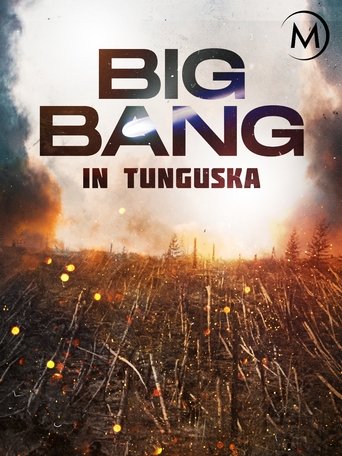
At 7:14 am on 30 June 1908, the largest explosion recorded in human history to date reverberated throughout our planet. The force of the explosion was two thousand times that of the Hiroshima bomb. A woodland area the size of Luxembourg was eradicated in the Siberian taiga. This incident is recorded in history books as the Tunguska catastrophe. To this day, internationally renowned scientists of various disciplines argue about the causes of this disastrous explosion. The documentary discusses the latest and most controversial insights of these leading scientists. It identifies the reasons why Tunguska has evolved into a phenomenon and points out the curious results produced by this mythical event in culture and economy.
Inspired by the social changes that the Revolution brought to our country and the admiration he felt for Mexican art, the Russian filmmaker Sergei M. Eisenstein traveled to Mexico with the intention of filming a film mosaic that culminated in the most beautiful non-existent film. The details of this odyssey are exposed in this episode of the classic television series Those Who Made Our Cinema.
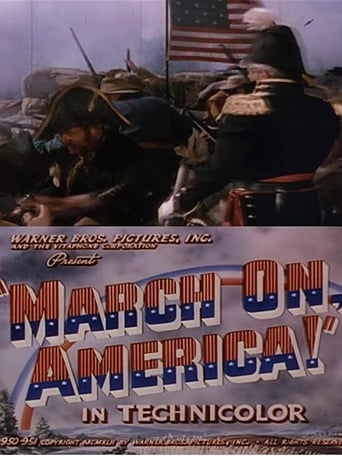
The story of America from the Pilgrims in 1620 to the attack on Pearl Harbor by the Japanese. Americans always working for freedom.
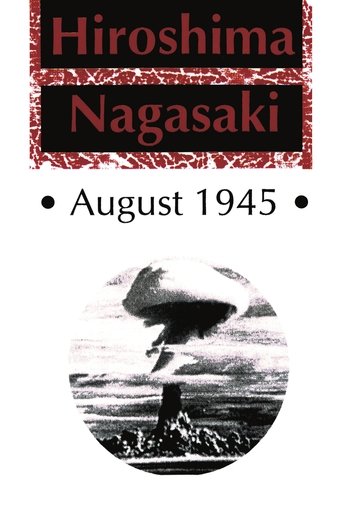
This documentary is a compilation of silent black-and-white film footage shot by the Japanese in Hiroshima and Nagasaki shortly after the atomic bomb blasts in early August 1945. English-language voice-over narration has been added, along with a few scenes from American sources. The film shows the destruction and injury caused by the atomic bombs in graphic detail.
A biography of the American rock band The Beach Boys, with interviews, concert footage and clips from movies and television shows they appeared in.
Charles Durning appears as the legendary baseball manager Charles Dillon "Casey" Stengel in this one-man show presented before a live studio audience.
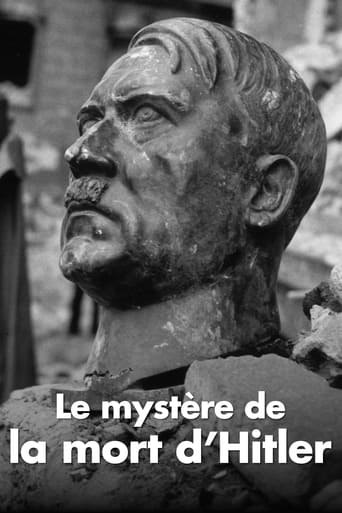
On May 2, 1945, Soviets take control over the Fuhrerbunker. On May 5th, they find bodies of Hitler and Eva Braun buried in the garden near the bunker. Investigation of Hitler's death was kept secret until now.
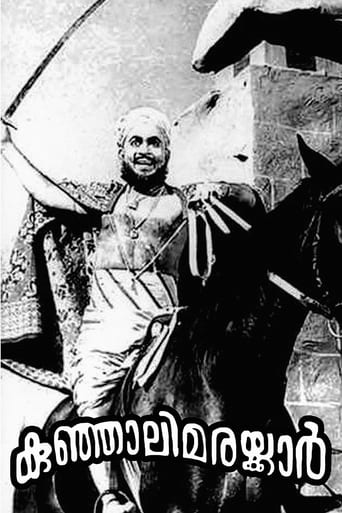
Tells the story of the legendary 16th century naval captain Mohammed, a brave warrior and merchant supported the Samoodiri in his fight against the Portuguese. The Samoodiri honoured Mohammed by making him his naval chief and renaming him ‘Kunjali Marakkar'
Join a team of archaeologists and the Discovery Channel in an investigation into the mysterious lines of the Nazca region in Peru. Created by the Nazcas, these huge sculptures are only visible from the sky and depict people, animal, geometric forms, and strange creatures. See a premier exhibition of pottery and textiles, musical instruments, and mummies from this long-forgotten, pre-Columbian civilization and visit Cahuachi, a buried city of pyramids and ceremonial buildings which may have once been the religious capital of the Nazca people
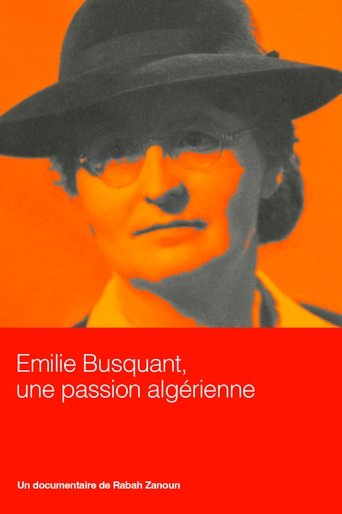
Emilie Busquant, a woman with an exceptional destiny, was born on March 3, 1901, in Neuves-Maisons, Lorraine. In 1923, she moved to Paris to find work and met Messali Hadj, who had also come seeking employment. A beautiful love story began; she fell in love with both a man and a cause: the independence of Algeria. Together, in 1926, they founded the first Algerian independence party, the North African Star (Étoile Nord-Africaine). She would support the Algerian people's struggle throughout her life.
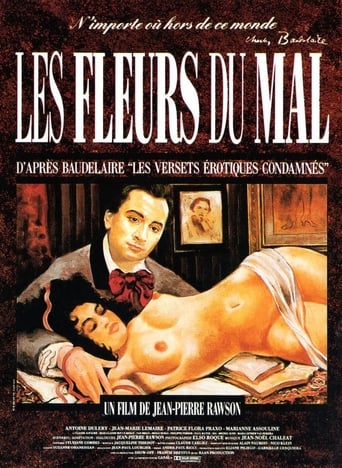
Charles Baudelaire was one of the giants of 19th-century French poetry, and he earned his position among that nation's luminaries through the poems in one slim volume, entitled Les Fleurs du Mal (Flowers of Evil). A perfectionist to the extreme, he struggled with every word of those few poems for many years before he consented to see them published. When he did, six of them were condemned by the state censors as obscene. It was surely a powerful blow to him to have such a significant part of his life's work so rudely suppressed. This courtroom drama follows him at the 1857 trial at which he defended his works. The filmmaker has chosen to symbolically re-enact certain poems about the love of a woman as they are being read for the court. It is easy to imagine that, as was certainly the case for the trial of Oscar Wilde in England, this courtroom trial was a form of punishment for his publicly dissolute lifestyle.
Activate your FREE Account!
You must create an account to continue watching