'THE QUEST: Nepal' is an epic journey to deeper understand and climb the most iconic mountain on earth, Everest, and to unveil the fascinating culture, history and nature of Nepal. From experiencing Mt. Everest like never before to witnessing remarkable rarely seen stories from one of the most unique countries in the world, 'THE QUEST: Nepal' is truly a one-of-a-kind cinematic journey like no other, and one which embodies the incredible human spirit of adventure that lives inside us all!
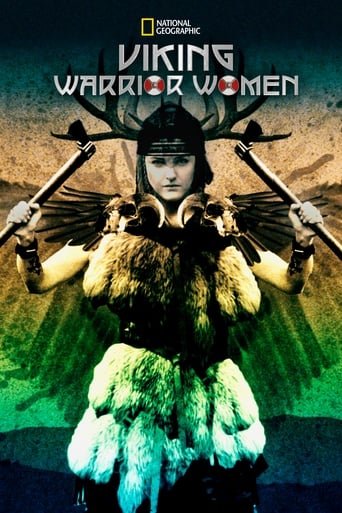
Using original excavation data combined with cutting edge computer graphics, we recreate the grave of a mighty viking warrior woman as never seen before.
Historical documentary, on the life and work of the great Greek politician who contributed decisively to the shaping of the physiognomy of modern Greece. Venizelos came to Athens in 1909, after the Goudios Movement, at the invitation of the Military Association and, upon assuming the prime ministership, clashed with the palace. The film follows the man's path, through recorded testimonies (cinematic newsreels, photographs, newspapers), from his beginnings in Mournies, Crete, until his death.
What has Nasa been hiding from us beyond the visual spectrum?
Dramatized documentary of the early hours of Finland's Civil War in January 1918.
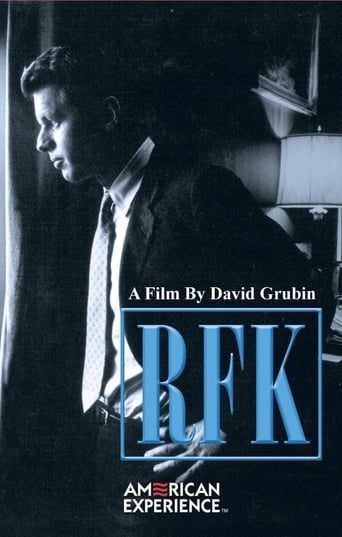
David Grubin's probing and perceptive biography reassesses the remarkable and tragic life of Bobby Kennedy, whose early life was spent in the shadow of his elder brother John. After JFK's assassination, he discovered his own identity in the forefront of American politics before his career was also tragically curtailed by an assassin's bullet.
As BBC Two premieres its lavish new drama set in the sumptuous surroundings of Versailles, Lucy Worsley and Helen Castor tell the real-life stories behind one of the world's grandest buildings. They reveal the colourful world of sex, drama and intrigue that Louis XIV and his courtiers inhabited. Lucy untangles Louis's complex world of court etiquette, fashion and feasting, while Helen delves into the archives and unpicks the Machiavellian world of court politics that Louis created. We meet the people behind the on-screen characters and discover what drove Louis to glorify his reign on a scale unmatched by any previous monarch, examine the tension between Louis and his brother Philippe, a battle hero and overt homosexual, and they meet the coterie of women who competed for Louis's attention. We see that Louis was ruthless in his pursuit of glory and succeeded in defeating his enemies. In his record-breaking 72-year reign, France became renowned for its culture and sophistication.
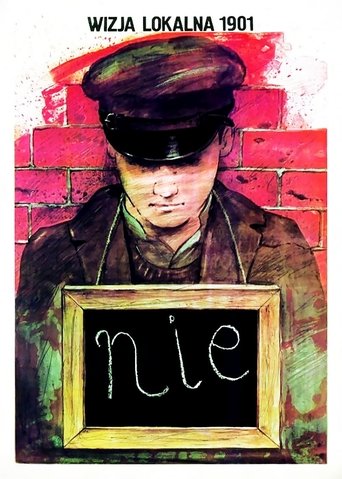
More documentary in its approach than dramatized history, this is a compelling story about a 1901 children's strike in Wrzesnia near the Polish border with Prussia. Poland was partitioned at this time, and a rigidly patriotic Prussian teacher in Wrzesnia follows the dictates of the Germans in parliament and insists that the children be taught their religion classes in German. When the children refuse to take part in the classes, they are supported by the local priest, but that does not save them from being beaten. They are also kept after school and tormented in other ways as well. Newspapers, parents, and the nation as a whole get involved, transforming a simple children's strike into a national incident.
The story of the siege and eventual relief of British soldiers garrisoned at Lucknow during the 1857 Indian Rebellion. Only a fragment of the original film remains.
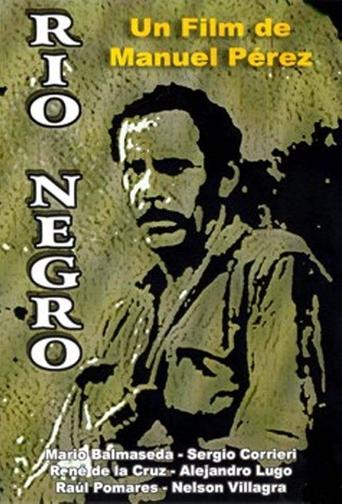
Tirso Fabre, a militiaman and member of the Black River co-operative farm, and Chano Carrillo, a counterrevolutionary hiding behind his front as a Castro sympathizer, receive the news in different ways, in line with their antagonistic ideological positions.
At late 19th Century, the Argentinean Pampa is changing. Martin Fierro is a renegade that fights against the power and corruption that try to subordinate him and to take away his most precious value: freedom. With his strength and courage, Martin Fierro represents the fight for justice. Based on the most important book of Argentinean Literature, "The Gaucho Martin Fierro", the film intends to rescue the current value of the story and the epic character of Martín Fierro for an audience mainly young, especially students and families.
Documentary about the life of one of the greatest composers in the history of Brazilian music. Pianist, composer and conductor, Chiquinha Gonzaga was ahead of her time and revolutionized the customs of a sexist society.
During World War II, a teenage Jewish girl named Anne Frank and her family are forced into hiding in the Nazi-occupied Netherlands.
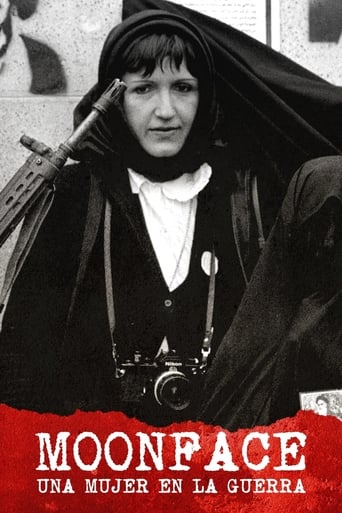
A walk through the life and career of the legendary French photojournalist Christine Spengler, known as Moonface, one of the few female war reporters in the seventies, also a writer and surrealist painter, who worked in Chad, Northern Ireland, Vietnam, Cambodia, Afghanistan, Lebanon, Iran, Iraq and other places where unfortunately war and death prevailed for years.
A section of the life of George of Poděbrady from his coronation to his death (1458–1471), creating a portrait of a remarkable monarch whose name shone as a symbol of Czech statehood, as a symbol of a victorious military leader and a prudent statesman; a powerful, complex and contradictory personality in the midst of a very dramatic fifteenth century. During thirteen years of independent rule, he wanted to defend with all his might what had been won by the Hussites; he wanted to defend it even in a time and environment that, on the contrary, wanted to settle accounts with the Hussites. It was during this tense time that Poděbrady's idea of creating an association of monarchs who would resolve conflicts through agreements and treaties, and not through war, arose. Even as a father, he made a sacrifice for his beloved country when he did not hand over the crown of the Czech king to his son, but to the Polish king Vladislav, the "Prince of Peace".
A biopic on the author M. R. James. If M.R. James wrote his ghost stories purely to entertain his friends, why do they seem to strike such resonances in readers? Why are they so terrifying? Clive Dunn's fifty minute documentary sets out to try to answer this question. In the words of its fictional narrator, nicely played by Dangerfield's Bill Wallis, "was there something that made [Monty James] believe that evil and malice could become palpable?"
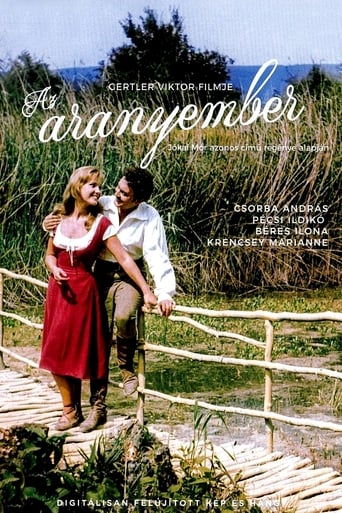
Adaptation of Mór Jókai's classic 19th century novel on Mihály Tímár, the captain of a commercial Danube ship in the 1830s, who finds unexpected fortune by meeting a Turkish aristocrat fleeing from his home country with his daughter Tímea. On their journey, they find an unknown island on the Danube, called the Senki szigete (the Island of No-one), a sort of earthly paradise, with only an old woman and her young daughter Noémi living on it.
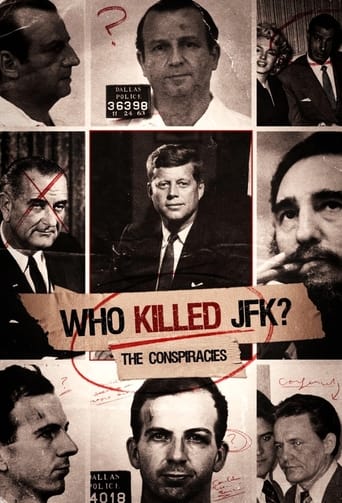
Over the decades, unanswered questions, tampered evidence, ulterior motives, and witness testimony surrounding the assassination has perpetuated conspiracy theories and alternative explanations that challenge the official narrative. Most of the figures involved--or knew who was involved--have mostly passed away, leaving avenues of investigation dead in their tracks. Over time, efforts to determine what happened have left more questions than answers. We take a look back on the moment that changed the course of world history, questioning the official record. Was the assassination a conspiracy?
In the quest for finding a deeper meaning to life, this is a true story of an American seeker who forsakes the worldly life to enter upon an amazing spiritual journey of self realisation.
Activate your FREE Account!
You must create an account to continue watching